

Mill Lane flat clearances rubbish before and after case study
Posted on 02/08/2026
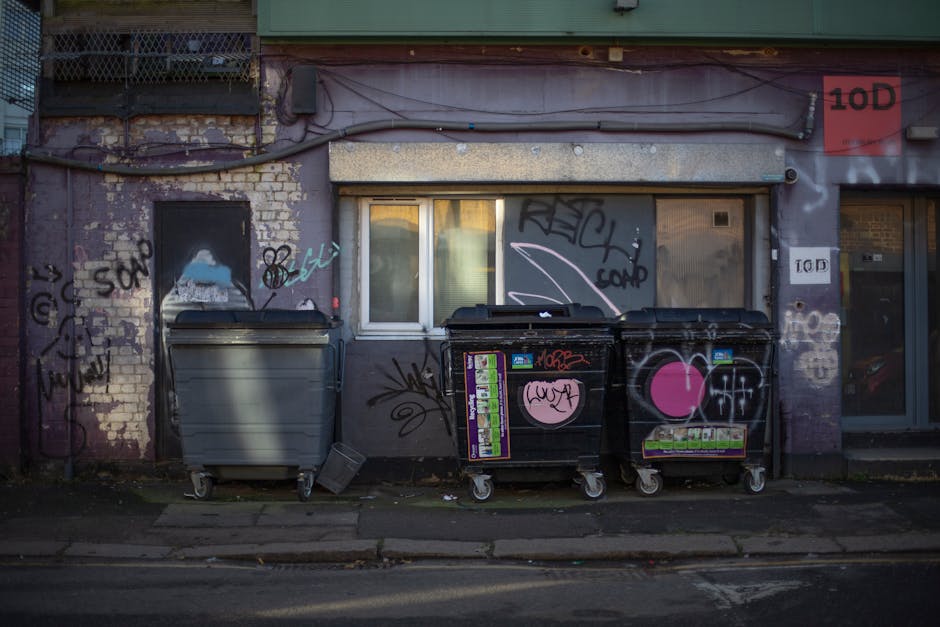
Mill Lane Flat Clearances Rubbish Before and After Case Study
If you have ever stood in a Mill Lane flat and wondered where to even begin, you are not alone. A flat clearance can feel straightforward on paper, then suddenly the hallway is blocked, the lift is tiny, and the oddest mix of furniture, bags, and forgotten bits seems to have multiplied overnight. This Mill Lane flat clearances rubbish before and after case study looks at the practical side of turning a cluttered flat into a clean, sale-ready, rental-ready, or simply liveable space. We will cover how the process works, what makes a good result, what to avoid, and how to plan a clearance that feels calm rather than chaotic.
Along the way, you will also see how local knowledge matters. In a street like Mill Lane, access, parking, and timing can make a bigger difference than people expect. Truth be told, that is often where the whole job is won or lost.
Why Mill Lane flat clearances rubbish before and after case study Matters
Before-and-after examples are useful because they make the result visible. Anyone can say a flat was "cleared efficiently"; it means more when you can picture the difference between the before state and the after state. In a Mill Lane flat, that difference often includes a clearer entrance, safer walkways, better natural light, and a space that no longer feels mentally heavy the moment you open the door.
There is also a very practical reason this matters. Flat clearances are rarely just about removing rubbish. They often involve sorting, separating reusable items, identifying bulky waste, handling awkward staircases, and deciding what should be recycled or disposed of responsibly. A good before-and-after case study shows the whole story, not just the end result.
For landlords, agents, executors, and homeowners alike, that clarity is useful. It helps set expectations. It also helps people compare a full clearance with a partial tidy-up or a simple furniture removal. If you are thinking about a wider property project, it can be worth reading about how to avoid hidden charges in rubbish quotes before you book anything. That one detail can save a lot of frustration later.
And yes, sometimes the "after" is not glamorous. A clean floor and an empty corner can be enough. That is still a proper win.
How Mill Lane flat clearances rubbish before and after case study Works
The process usually starts with a survey of what is in the flat. That might be done from photos, a quick call, or an in-person visit depending on the size of the job. The purpose is simple: work out what needs removing, what access issues exist, and how much time and labour the clearance is likely to need.
From there, items are generally grouped into categories such as reusable furniture, general rubbish, electricals, mixed waste, textiles, and things that need careful handling. In practice, the best clearances are the ones where sorting happens early. It saves time, avoids confusion, and reduces the chance of good items getting mixed in with waste. A slightly messy flat can look like a nightmare at first glance, but once the team starts separating items properly, it becomes manageable pretty quickly.
The "before" stage is often where the real planning happens. Narrow stairwells, shared entrances, parking restrictions, and time windows can affect the whole job. Mill Lane properties may have those typical London access quirks: a tight corridor here, a parked car there, maybe a lift that is technically available but not terribly helpful. You know the sort of thing.
The "after" stage should feel noticeably different. Not just cleaner, but lighter. Surfaces visible again. Bags gone. Footpaths clear. A room that can breathe. If you want a broader sense of how professional clearances are organised, the site's services overview is a useful place to understand how different jobs are usually grouped.
Key Benefits and Practical Advantages
A well-run flat clearance does more than remove clutter. It creates momentum.
- Faster property turnaround: If a flat needs to be sold, let, repaired, or reoccupied, a proper clearance shortens the gap between "not ready" and "ready".
- Less stress on the day: One organised team and a clear plan beats several chaotic trips to the street with random bags.
- Better use of space: Removing bulky items exposes damage, damp patches, scuffed floors, or maintenance issues that were hidden before.
- More responsible disposal: Reuse and recycling can be built into the job rather than treated as an afterthought.
- Safer access: Clear floors and hallways reduce trip hazards for everyone involved.
There is also the emotional side. A flat clearance can be tied to a move, a bereavement, a tenancy change, or a long-overdue reset. In those moments, people often need a result that feels respectful as well as practical. That sounds obvious, but it matters. A lot.
For anyone dealing with furniture-heavy rooms, it may help to look at furniture disposal in West Hampstead alongside the clearance plan, especially if sofas, wardrobes, beds, or white goods are the main challenge. Combining the job properly can save time and reduce disruption.
Who This Is For and When It Makes Sense
This kind of clearance is especially useful for:
- Landlords preparing a flat between tenancies
- Estate executors handling a sensitive property clearance
- Homeowners who want to reclaim space before refurbishing
- Buy-to-let investors getting a flat market-ready
- Agents needing a quick reset before photography or viewings
- People moving out who need to leave the property cleared and tidy
It makes sense when the job is bigger than a normal bin run, but smaller than a full renovation strip-out. If the flat is full of mixed household items, broken chairs, bags of old clothes, or loft-style overflow from years of storage, a clearance is usually the sensible route.
Sometimes people wait too long. They think, "I will sort it this weekend," then another weekend passes. Before long, the flat feels harder to start than it really is. If that sounds familiar, you are in good company. Most people underestimate how much momentum one proper clearance can create.
If your project is connected to a move or property decision, you may also find the local context helpful in this Hampstead moving guide and this Hampstead property buying guide, both of which sit nicely alongside practical clearance planning.
Step-by-Step Guidance
- Walk the flat room by room. Make a quick list of what needs to go. Do not overcomplicate it at this stage. Just note the obvious bulky items, mixed rubbish, and anything you want to keep.
- Separate keep, donate, recycle, dispose. This is the bit people rush, and then regret later. A clear sorting pass saves a surprising amount of time.
- Identify access issues. Check stairs, communal entrances, parking, lift use, and any time restrictions. One small access snag can change the whole schedule.
- Take photos if you need a quote. Clear pictures of each room, plus close-ups of awkward items, make pricing more accurate.
- Book the right type of clearance. A flat clearance, furniture removal, loft clearance, or rubbish collection job may be the better fit depending on the load.
- Protect floors and communal areas. This is especially important in shared buildings. A few simple precautions can prevent avoidable complaints.
- Clear in a logical order. Large items first, then loose bags, then smaller fragments. It keeps movement cleaner and safer.
- Finish with a sweep-through. The proper after effect is not just empty rooms; it is a property that is left usable, not just stripped out.
A small but useful tip: if the clearance includes mixed items from different rooms, label them before the team arrives. Even sticky notes or marker pens help. Nothing fancy. Just enough to stop someone asking, "Was this meant to stay or go?" for the fifth time. That gets old quickly.
Expert Tips for Better Results
First, start with the items that create the most visual clutter. In many flats that means sofas, mattresses, old shelving, and stacked bags. Once those go, the whole room feels easier to finish.
Second, keep an eye on reusable items. A chair, desk, or storage unit might look tired, but if it is structurally sound it could be separated from waste. That makes the job cleaner and often more sustainable. For readers who care about that side of things, recycling and sustainability practices are worth understanding before you decide what should be removed and what can be diverted.
Third, do not ignore timing. Morning jobs often work best in residential streets because parking and neighbour disruption can be easier to manage. A quieter start also gives the team a bit more breathing room if the flat is awkward. By lunchtime, everyone is happier. Usually.
Fourth, if there is any uncertainty around items like fridges, paint, or electricals, ask before the day. Special items can affect handling and disposal, and it is better to know early than to make assumptions at the kerbside.
Finally, think beyond the clearance itself. If the flat needs cleaning, repairs, or photography afterwards, coordinate the sequence. A good clearance is often just the first move in a chain of jobs. It is a bit like setting the table before dinner - not the whole meal, but very much the start of it.
Common Mistakes to Avoid
One common mistake is underestimating volume. Two rooms can look manageable until you start carrying everything down stairs. Then it is a different story entirely. Volume matters more than most people think.
Another is leaving sorting until the van arrives. That sounds efficient in theory, but in practice it slows everything down and can make the whole space feel even more chaotic. Better to decide in advance what is staying and what is leaving.
People also forget about access. A clearance can be delayed by a locked gate, a blocked driveway, or a building rule about moving items through communal spaces. The job may still be perfectly doable, but those details need to be known early.
There is also the "just leave it for later" problem. Items get pushed into one room, and the flat looks better for one day, then worse again because the sorting pile has become its own project. We have all seen that pattern. It is sneaky.
Finally, do not assume that all rubbish should be handled the same way. Clearances often contain a mix of reusable furniture, general household waste, and materials that need careful treatment. If you want to understand more about local handling expectations, this guide to Camden Council rubbish rules in NW6 is a sensible companion read.
Tools, Resources and Recommendations
You do not need much equipment for a standard flat clearance, but a few simple things help:
- strong bin bags or rubble sacks for loose waste
- marker pens or labels for keep-and-remove sorting
- basic gloves for safe handling of dusty or awkward items
- tape or straps for bundling loose pieces together
- camera or phone photos for quote accuracy and record-keeping
When a job is larger or more awkward, it can also be helpful to look at related services rather than forcing everything into one category. For example, if the flat includes stored items in the roof space, loft clearance may be part of the answer. If the property is being emptied after a long tenancy or a family move, house clearance support may be more suitable than a simple rubbish pickup.
For business premises or work-from-home spaces tucked into flats, it can also be worth comparing with office clearance services. Different types of waste need different handling, and the clearer the brief, the smoother the job.
Law, Compliance, Standards, or Best Practice
With flat clearances, the safest approach is to follow sensible UK waste-handling best practice and to use a provider that understands lawful disposal, duty of care, and responsible separation of materials. You do not need to become an expert yourself, but you should expect waste to be handled properly and not simply dumped somewhere unofficial. That is a basic trust issue, really.
In shared buildings, there may also be building rules about lifts, floors, loading bays, or moving items through communal areas. It is wise to check these before booking. If parking or vehicle access is tight, plan that early too. A ten-minute access problem can become a forty-minute one very quickly, and nobody wants to be that neighbour.
Safety matters as well. Heavy lifting, sharp edges, and broken furniture are common risks during clearances. If there are stairs, awkward corners, or oversized items, the job should be handled with proper care. For a fuller sense of how that is approached, see the site's insurance and safety information.
Finally, transparency is part of best practice. Clear pricing, clear scope, and clear expectations avoid most disputes before they start. If in doubt, ask questions upfront. A good clearance company should not mind that one bit.
Options, Methods, or Comparison Table
There is more than one way to clear a flat, and the right choice depends on how much time you have, how much sorting is needed, and whether access is easy or awkward.
| Method | Best for | Pros | Limitations |
|---|---|---|---|
| DIY clearance | Very small, simple loads | Low direct cost, full control | Slow, physically demanding, disposal logistics are on you |
| Man-and-van style removal | Bulky items or partial loads | Quick for furniture, flexible | Not always ideal for mixed rubbish or full flat clearances |
| Full flat clearance | End-of-tenancy, probate, sale prep | Most efficient for whole-room clear-outs | Needs good planning and accurate scope |
| Targeted furniture disposal | One-off items or a few large pieces | Simple and fast | Not enough for heavily cluttered flats |
For many Mill Lane flats, the best answer is a mix. Maybe the large furniture goes first, then the loose rubbish, then a final sweep for anything that was missed. That layered approach tends to be more practical than treating every job as all-or-nothing.
Case Study or Real-World Example
Here is a realistic Mill Lane-style example based on a typical flat clearance pattern, with identifying details kept general.
Before: The flat had a living room with an old sofa, two broken coffee tables, bags of mixed household waste, a damaged bookshelf, and several boxes of items left after a move. The hallway was narrow, which made the route to the exit awkward. There was also a pile of smaller bits in the bedroom that had never quite made it to the bin.
The main issue was not just quantity. It was spread. Items were scattered across rooms, which made the flat feel more cluttered than the actual volume suggested. You could see the owner's shoulders drop a bit just looking at it. That is common, honestly.
During: The first step was to separate keep items from waste and possible reusable furniture. Large items were removed first to open up space in the living room and hallway. Bags were then grouped so the team could move them efficiently without blocking the route. A quick check was made for anything requiring special handling, including damaged electrical items.
After: The flat looked bigger immediately. The hallway was clear, the light improved, and the rooms were back to a state where cleaning and repair work could begin. What changed most was not just appearance, but usability. The property moved from "hard to start" to "easy to work with."
That is the real value of a before-and-after clearance case study: it shows that the change is not cosmetic only. It is functional. It opens up the next decision, whether that is re-letting, redecorating, selling, or simply getting your head back on straight.
If the job is tied to local access conditions or bulky items, it can help to compare notes with bulky rubbish pickup tips and booking times and the West End Lane rubbish removal guide, both of which speak to practical street-level logistics.
Practical Checklist
Use this before booking a Mill Lane flat clearance:
- List every room and the main items to be removed
- Decide what stays, what goes, and what might be donated or recycled
- Take photos of the space and any awkward access points
- Check parking, entry, stairs, and lift access
- Confirm whether there are any building rules or timing limits
- Separate obvious electricals, fragile items, and heavy furniture
- Ask about pricing structure and what is included
- Plan follow-up cleaning or repair work after the clearance
- Keep important documents, keys, and personal items safe before the team arrives
- Do a final walkthrough once the flat is cleared
A quick checklist like this saves time and, more importantly, reduces that frantic last-minute feeling. That bit, to be fair, is what most people want to avoid.
Conclusion
A good Mill Lane flat clearance is not just about emptying rooms. It is about creating a clean handover point for whatever comes next. Whether the property is being sold, let, repaired, or simply reset after a difficult period, the before-and-after difference can be dramatic in the best possible way.
The strongest results usually come from simple habits: plan access, sort early, protect the building, and choose the right type of clearance for the job. Nothing fancy. Just steady, careful work.
If you approach it properly, the whole process becomes far less daunting than it first appears. And once the flat is clear, there is a very particular kind of relief in the air. Quiet. Practical. A bit of space to breathe again.
Get a free quote today and see how much you can save.
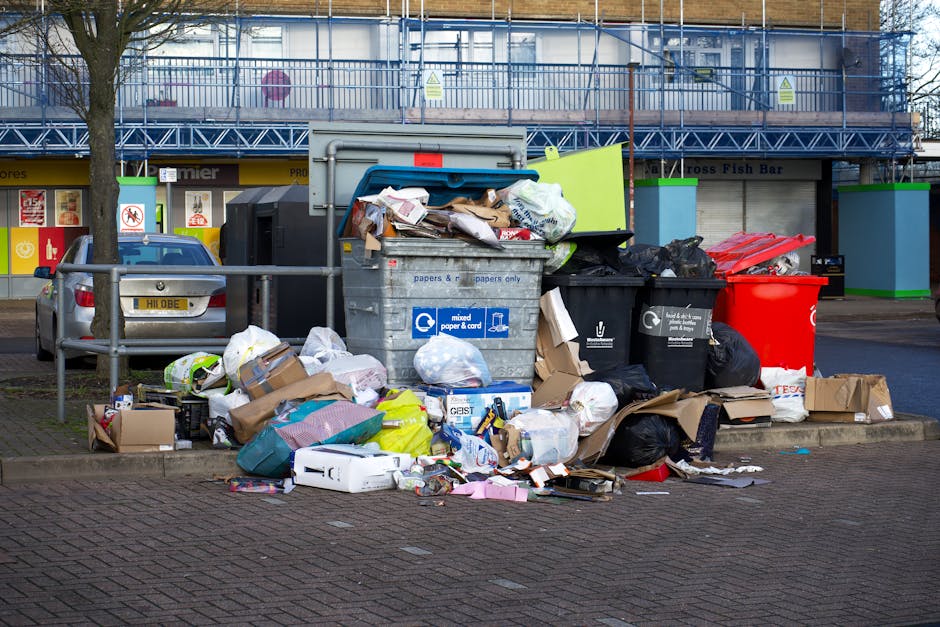

 Tipper Van - Rubbish Removal and House Waste Removal Prices in West Hampstead, NW6
 Luton Van - Rubbish Removal and House Waste Removal Prices in West Hampstead, NW6

