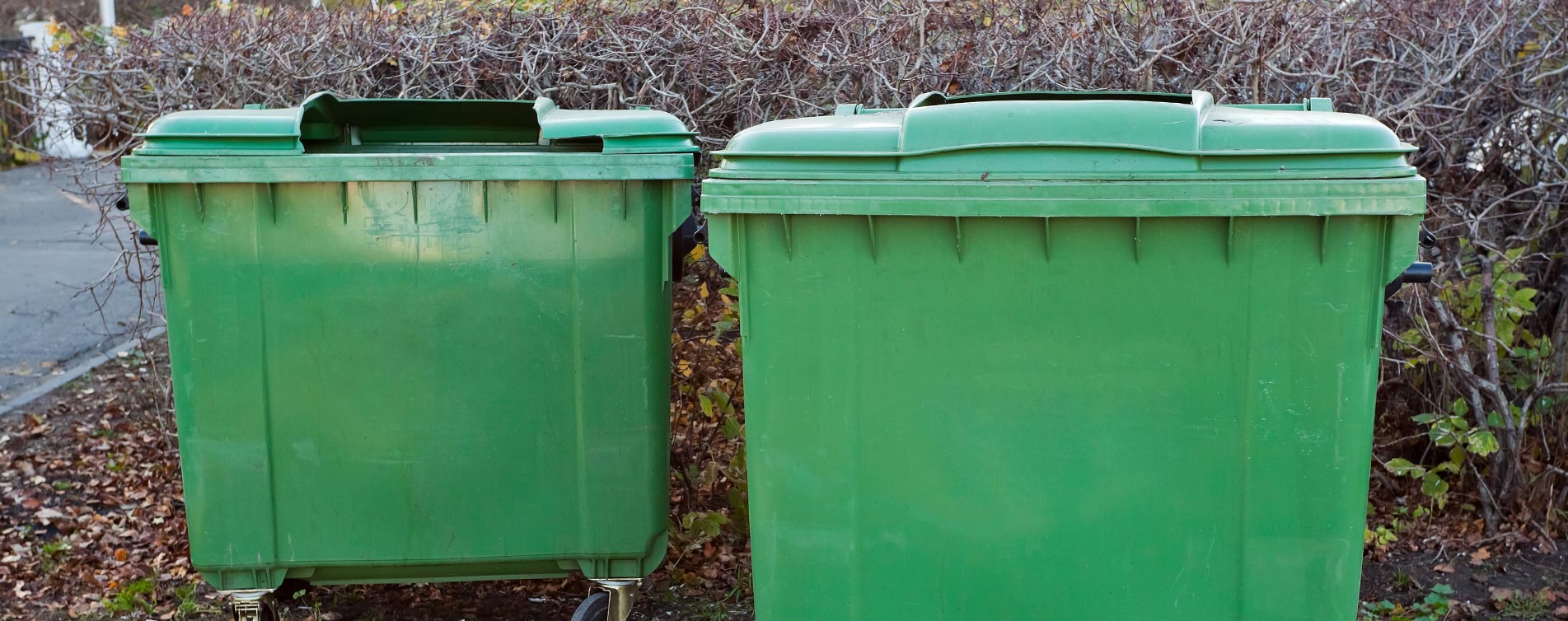

Waste Clearance in West Hampstead for homes, flats and workplaces
Waste Clearance West Hampstead provides waste clearance in West Hampstead for customers who need practical removal of unwanted items, mixed rubbish and bulky materials from homes, flats, offices and commercial premises. The work can include single-item uplift, part-load collections and fuller clearances where contents need to be removed carefully and sorted sensibly. If you need a straightforward clearance service that keeps the process organised, our team can help with the right type of collection for the job.
We handle a broad range of clearance work rather than a single narrow task, so the service can suit a moving date, a refurbishment, a tidy-up or a recurring business requirement. Typical jobs may involve furniture, general household rubbish, bagged waste, office contents or builder-related debris, depending on access and load size. For an overview of the main service options, see our services overview and the practical details on pricing and quotes.
When you are comparing options, it helps to think about what must go, what can stay and how much access there is from the property to the collection point. That makes it easier to match the visit to the amount of waste and the type of space involved. If you are ready to arrange a quotation, use the contact page at the end of this page or review the service pages first to narrow the right clearance category.
Household waste clearance arranged around the property
Household clearance work is often about removing mixed items cleanly without making the rest of the property harder to use. That may mean taking away old furniture, unwanted appliances, accumulated bags, boxes, broken household goods or general clutter from a room, hallway, loft or storage area. The aim is to leave the remaining contents undisturbed where possible and to make the waste removal process as orderly as the space allows.
For larger domestic jobs, a house clearance may need more than a single collection area. Items may be spread across multiple rooms, a loft, basement, shed or garage, and the work can be planned so that suitable materials are separated where practical. If you need a fuller property clearance, our house clearance in West Hampstead page gives a clearer picture of that service, while loft clearance in West Hampstead covers one of the most common storage-heavy areas.
Before booking, it is useful to note whether the job involves access stairs, shared hallways, narrow passages or items that need to be dismantled before removal. Small jobs and large jobs both benefit from clear preparation, because the collection can then be matched to the time and vehicle space needed. If you are unsure which clearance type suits your property, a brief description of the contents is usually enough to start the conversation. Request a quotation when you are ready.
Specialist clearance for gardens, furniture and bulky loads
Some jobs are better treated as item-specific clearances rather than general rubbish collection. Garden waste removal may involve branches, cuttings, soil bags, broken planters, turf or other outdoor debris that should be lifted separately from household materials. Furniture disposal, by contrast, often centres on bulky items such as sofas, wardrobes, tables, beds and shelving, which need careful handling because of their size and weight.
Bulky waste can also include mixed loads from a room refresh, a flat clear-out or the end of a tenancy where several large items need to leave together. In those cases, choosing the right clearance option can save time and reduce unnecessary back-and-forth. Read more about garden waste removal in West Hampstead and furniture disposal in West Hampstead if your job is built around those particular items. For mixed domestic or trade loads, rubbish collection in West Hampstead is the more general option.
Useful items for a quote request include a rough count of bulky pieces, any awkward access details and whether the materials are already in one place. That kind of information helps make the quotation more accurate without needing a long explanation. If you are dealing with mixed outdoor and indoor waste, mention both so the collection can be planned as one visit where suitable. Call for a quotation when you have the details together.
Office, trade and builder waste clearance
Commercial clearance work tends to focus on keeping the premises workable while waste is removed. Office clearances may include desks, chairs, filing items, packaging, archived materials, shelving and general site waste, while builder waste disposal normally involves heavier debris from renovation, rip-out or fit-out work. The right approach depends on whether the load is light, bulky, mixed or contains material that needs extra attention during removal.
If you are managing a workplace move or refurbishment, it is often useful to separate reusable items from items that are ready to go. That can make the clearance more efficient and can also help keep access routes clearer while the work is carried out. Our office clearance in West Hampstead page is relevant for workplace removals, and builders waste disposal in West Hampstead covers construction-related waste. For broader workplace needs, the article on business rubbish services for shops and offices offers additional context.
Commercial customers usually benefit from setting out the type of waste, the floor level, loading restrictions and any timing constraints before booking. Clear access information is particularly helpful where waste must be moved through shared entrances, back areas or working office space. If the job is part of a phased project, you can also ask for a quotation based on the sections that need clearing first. That keeps the work tied to the actual load rather than guesswork.
Pricing, quotes and what affects the cost
Clearance pricing usually depends on the volume of waste, the type of material, the ease of access and whether the work needs sorting, lifting from multiple rooms or special handling for bulky pieces. A small single-item removal is naturally different from a full property clearance or a mixed commercial load, so the most useful quotation is one that reflects the real job rather than a broad estimate. That is why a concise description of the waste can matter as much as the address.
There is also a difference between jobs that are already gathered in one place and jobs that require more collection work inside the property. Stair access, shared hallways, loading distances and the need to dismantle items can all affect how the visit is planned. Our pricing and quotes page explains the general approach, and avoiding hidden charges in West Hampstead rubbish quotes is useful if you want to understand how clear pricing is normally presented.
If you are collecting figures from several sources, keep the comparison focused on what each quotation includes. Ask whether access, labour, disposal and any special handling are already reflected in the figure. For a quick next step, you can prepare a short note listing the items, the floor level and the preferred collection window. Then request a quotation and compare it with your other options.
About West Hampstead
West Hampstead is a district in north-west London within the London Borough of Camden, long shaped by transport links and a dense pattern of residential development. The area is closely associated with its railway stations and the movement corridors that helped turn it from a more rural fringe into an urban neighbourhood. West Hampstead Thameslink, West Hampstead Underground on the Jubilee line and West Hampstead Overground form a compact interchange that has made the district especially well connected within inner London. Around those lines of movement, streets of Victorian and later housing create a varied townscape, with mansion blocks, terraces and converted buildings sitting alongside newer additions. The area’s commercial life is concentrated along its main roads, where local shops, cafés and services sit between residential blocks and smaller side streets. Nearby Kilburn and Finchley Road broaden the setting, while the district itself has retained a recognisable identity despite being embedded in the wider city. For many visitors, one of the strongest impressions is the contrast between busy transport edges and quieter residential corners, with small public spaces, mature trees and the everyday architecture of north London giving the place its character. The local geography is not dramatic, but it is distinctly urban, with a fine-grained street pattern and a practical, lived-in feel that has developed over many decades.
Clearance for flats, shared buildings and awkward access
Flat clearances often require a more careful approach than straightforward house visits because access can shape almost every part of the job. Narrow stairwells, communal entrances, controlled entry systems and limited parking can affect how waste is removed from the property. In some buildings, items must be moved in stages or taken from several rooms before they can be loaded, so planning matters as much as lifting. That is why a clear description of the building layout is useful before the visit.
Where access is restricted, the main objective is to keep the collection efficient and respectful of neighbours and shared areas. It is helpful to know whether waste is on an upper floor, in a basement, in a rear yard or spread across the flat. If the items are already grouped, the removal can usually be organised more neatly. The service detail on rubbish removal access problems in West Hampstead garden flats is relevant to the sort of access issues that can arise, and flat clearance before and after case study gives a clearer sense of a similar property type.
If you are arranging a flat clearance, try to summarise the route from the property to the collection point, the number of levels involved and whether any items are awkwardly sized. A brief list of the main contents is often enough for an initial figure. Good access notes make it easier to plan the right vehicle and labour for the job. When you are ready, ask for a quotation rather than leaving the load vague.
Recycling, sorting and responsible disposal
A sensible clearance service is not only about taking items away; it is also about handling them in a way that supports sorting and recovery where possible. Mixed waste may need to be separated into different material groups, particularly where reusable, recyclable and general disposal items have all ended up together. The more clearly a job is described, the easier it is to direct the waste into the most suitable next step once it has been collected.
That matters across household, office and trade work because not every item belongs in the same stream. Wooden furniture, metal items, cardboard packaging, garden debris and general refuse all behave differently in practice, so good segregation can help with the overall process. If you want to understand the company’s broader approach, the recycling and sustainability page is the most relevant place to start, and insurance and safety covers the practical side of safe work on site.
For customers, the best preparation is usually to keep unwanted items together and leave clearly identifiable belongings out of the load. That reduces confusion and helps the collection stay focused. If there are items that should not be moved without permission, mention them early. Then request a quotation that reflects the actual materials and the amount of sorting the job may require.
How to prepare a useful enquiry
A clear quotation starts with a simple summary of the work. It helps to say what type of property the clearance is for, what kind of items are involved and whether the waste is already gathered in one place. Mentioning the floor level, access restrictions and the preferred collection timing can also make the reply more accurate. You do not need to write a long explanation; a short, practical note is often enough for a straightforward response.
When the job includes mixed contents, it can be useful to separate the must-go items from anything you are still deciding about. That is especially relevant for rooms with furniture, old stock, archive materials or clutter that could otherwise be overlooked. If you are looking for a broader sense of the company’s operation before contacting anyone, the about us page provides background, while testimonials offers customer comments if you want additional reassurance.
Ready to move on? Prepare the main details, check the most relevant service page and then ask for a quotation. If the collection is urgent or part of a larger project, say so plainly in the enquiry so the reply can be matched to the job. Contact us now for a quote and a practical next step.
Choose the right clearance page for your job
Different clearances suit different kinds of waste, and picking the right page can save time when you are deciding how to proceed. A garden job is not the same as a furniture disposal, and a builders load has different implications from an office move. The more closely the service matches the materials, the easier it is to plan the visit and describe the likely scope. You can use the relevant page to identify the best fit before you send over your details.
If your waste is mixed or you are not yet sure which category it falls into, the broader pages are a sensible starting point. The main waste clearance in West Hampstead page covers the general service, while the services overview brings several options together in one place. For cost planning, prices offers another useful reference point alongside the quotes page already mentioned.
Use the short path: identify the service, note the access and ask for a quotation. That simple sequence is often enough to move from uncertainty to a workable plan. If you are comparing several pages, choose the one that best reflects the actual waste rather than the one that sounds most general. Then send the enquiry through when you are ready.





















 Tipper Van - Rubbish Removal and House Waste Removal Prices in West Hampstead, NW6
 Luton Van - Rubbish Removal and House Waste Removal Prices in West Hampstead, NW6

